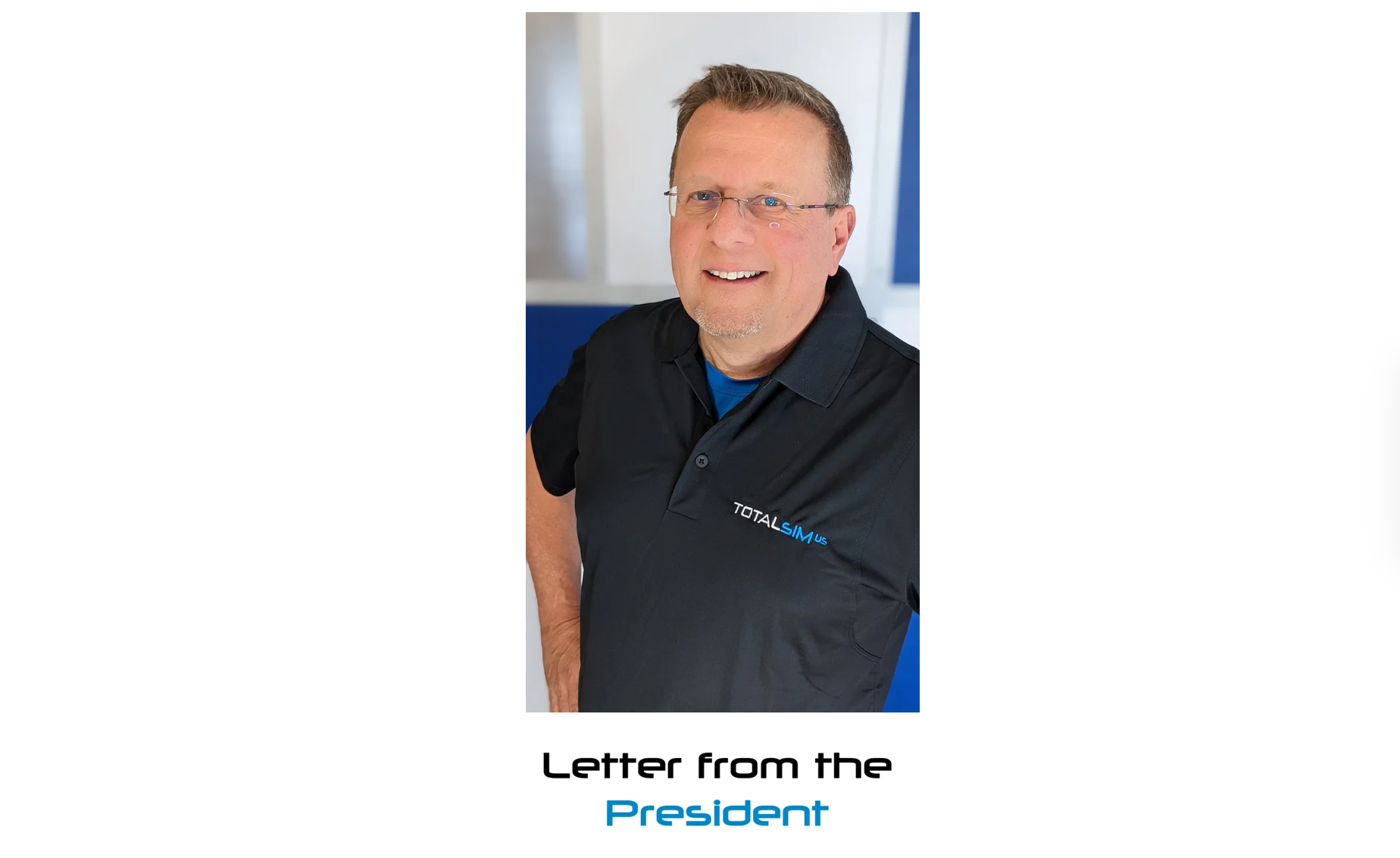
By the time summer arrives, the pace of the year is usually fully established. Projects are in motion, development cycles are accelerating, and teams are balancing the challenge of moving quickly while continuing to innovate. Q3 often feels like a checkpoint — an opportunity to look at where industries are heading and where new opportunities are beginning to emerge.
Across engineering and technology, we're seeing an interesting shift take shape. Systems are becoming increasingly connected and increasingly complex. Whether it's next-generation mobility, advanced aerospace platforms, renewable energy initiatives, or the growing infrastructure supporting AI and high-performance computing, the demand for smarter and more efficient solutions continues to increase.
What stands out to me is that innovation today isn't just about designing something new—it's about understanding how multiple systems work together. The ability to evaluate interactions early, ask better questions, and explore more possibilities before committing to physical prototypes is becoming increasingly important. That's one of the reasons simulation continues to play such a critical role. It gives engineers the ability to move faster while making more informed decisions.
At TotalSim, we've continued to see that mindset across the industries we support. From motorsports and aerospace to emerging technologies and energy applications, we're fortunate to work alongside teams pushing boundaries and solving some fascinating engineering challenges. We've also had exciting developments within our own team this quarter, along with new capabilities and technologies that continue expanding how we support our customers.
As always, this issue highlights a few of the people, projects, and ideas that are driving those conversations—from future-focused topics and industry developments to a few lighter moments along the way.
Thank you for continuing to be part of the TotalSim community. I hope you have a great summer, and I look forward to seeing where the second half of the year takes us.
Realize LIVE Americas 2026: Accelerating Digital Transformation in Design, Manufacturing, and Lifecycle Management
Realize LIVE Americas, hosted by Siemens Digital Industries Software, is the premier annual conference for professionals driving innovation in product development, manufacturing, and operations. The event was June 1–4, 2026, in Detroit, Michigan, and brought together over 3,000 engineers, designers, IT leaders, executives, and innovators from diverse industries.
The conference centers on Siemens Xcelerator portfolio and key technologies like the integrated Digital Thread, Industrial AI-powered Digital Twins, cloud-native solutions, and PLM advancements. Attendees explore 450+ sessions, including thought-leadership keynotes, technical deep-dives, hands-on training, customer case studies, and interactive demos in the Solutions Center.
Key Highlights
- Real-world insights: Hear from customers like Shape Corp, PepsiCo, Northrop Grumman, and others tackling complex industry challenges.
- Networking: Unique formats like Braindate (Microsoft-sponsored) enable meaningful, topic-driven one-on-one or small-group conversations.
- Hands-on learning: Technical tracks, product experts, and partner interactions deliver practical skills.
Attendee Benefits
Attendees leave with actionable strategies to accelerate digital transformation, optimize workflows, scale Siemens tool adoption, and unlock measurable business value. They gain early access to product roadmaps, cross-industry best practices, and a vibrant community of peers facing similar journeys. Testimonials highlight the power of collaboration: breaking out of silos, discovering underutilized capabilities, and building connections that extend far beyond the event.
For organizations, the ROI is clear—professionals return equipped with new skills, inspiration, and networks to drive efficiency, innovation, and competitiveness. Whether you’re deepening expertise in simulation, manufacturing, or lifecycle management, Realize LIVE delivers a high-impact experience that turns digital ambitions into reality. Highly recommended for Siemens users and digital transformation leaders.
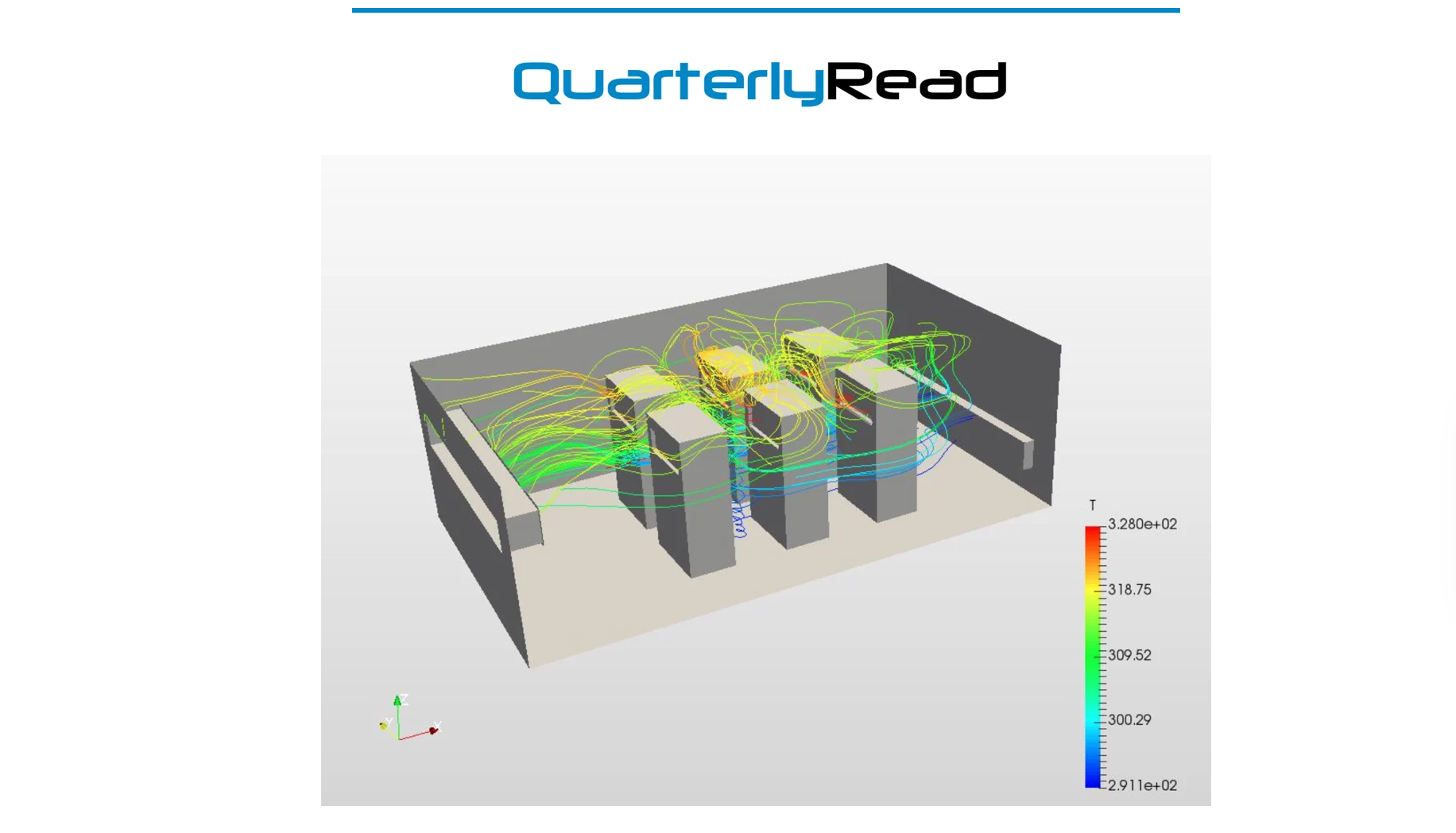
Powering the Future Responsibly: The Growing Push for Greener Data Centers
Data centers are becoming the backbone of modern life.
From AI and cloud computing to streaming platforms, digital twins, simulation, and connected devices, nearly every industry now depends on massive amounts of computing power. And as demand for data continues to grow, so does the infrastructure required to support it.
In fact, the rapid expansion of AI alone is driving a new wave of hyperscale data center construction across the U.S. and globally. Companies are investing heavily in larger, more powerful facilities capable of supporting advanced computing workloads and high-performance processing.
But with that growth comes a major challenge: energy consumption.
The Energy Challenge Behind Digital Growth
Modern data centers require enormous amounts of power—not only to run servers, but also to cool them.
As compute density increases, thermal management has become one of the industry’s biggest engineering hurdles. AI-focused facilities, in particular, generate significantly more heat than traditional server environments, pushing cooling systems to their limits.
According to recent industry projections, global data center electricity demand is expected to continue climbing rapidly over the next several years, driven largely by AI infrastructure expansion and increased cloud adoption.
That growth has sparked a broader conversation around sustainability, efficiency, and how to scale digital infrastructure responsibly.
Why “Green” Data Centers Matter
The industry’s focus is shifting from simply building bigger data centers to building smarter and more energy-efficient ones.
Today’s next-generation facilities are increasingly incorporating:
- Advanced cooling technologies
- Renewable energy integration
- Waste heat recovery systems
- High-efficiency airflow management
- AI-driven operational optimization
- Sustainable building practices
Many companies are also exploring liquid cooling and immersion cooling systems to reduce the energy demands associated with traditional air-based cooling methods.
The goal isn’t just reducing environmental impact—it’s improving operational efficiency and long-term scalability.
The Role of CFD and Simulation
This is where computational fluid dynamics (CFD) and simulation are playing an increasingly important role.
Before a data center is ever built, engineers can use CFD to model airflow, heat transfer, pressure distribution, and cooling performance throughout the facility. These simulations help teams identify hot spots, optimize equipment layouts, and evaluate cooling strategies before construction begins.
As facilities become larger and more complex, simulation allows engineers to make smarter decisions earlier in the design process—reducing energy waste while improving reliability and uptime.
CFD is also helping support newer cooling approaches, including liquid-cooled server racks and hybrid cooling systems, where understanding thermal behavior is critical to performance.
In many cases, even small improvements in airflow efficiency can translate into significant reductions in power consumption and operating costs across large-scale facilities.

AI Driving Both the Problem — and the Solution
Interestingly, AI is contributing to both sides of the equation.
AI-driven workloads are increasing demand for larger, more power-intensive data centers. At the same time, AI tools are also being used to optimize cooling performance, predict maintenance needs, and improve energy management inside these facilities.
This convergence of AI, simulation, and smart infrastructure is reshaping how data centers are designed and operated.
Looking Ahead
The growth of digital infrastructure isn’t slowing down anytime soon. As industries continue embracing AI, cloud computing, simulation, and connected technologies, demand for data centers will only continue to rise.
The challenge moving forward will be balancing that growth with sustainability.
That’s why engineering tools like CFD, thermal simulation, and digital modeling are becoming essential—not just for improving performance, but for helping create a more efficient and environmentally responsible future for computing infrastructure.
Because powering the future is important—but powering it responsibly may be even more critical.

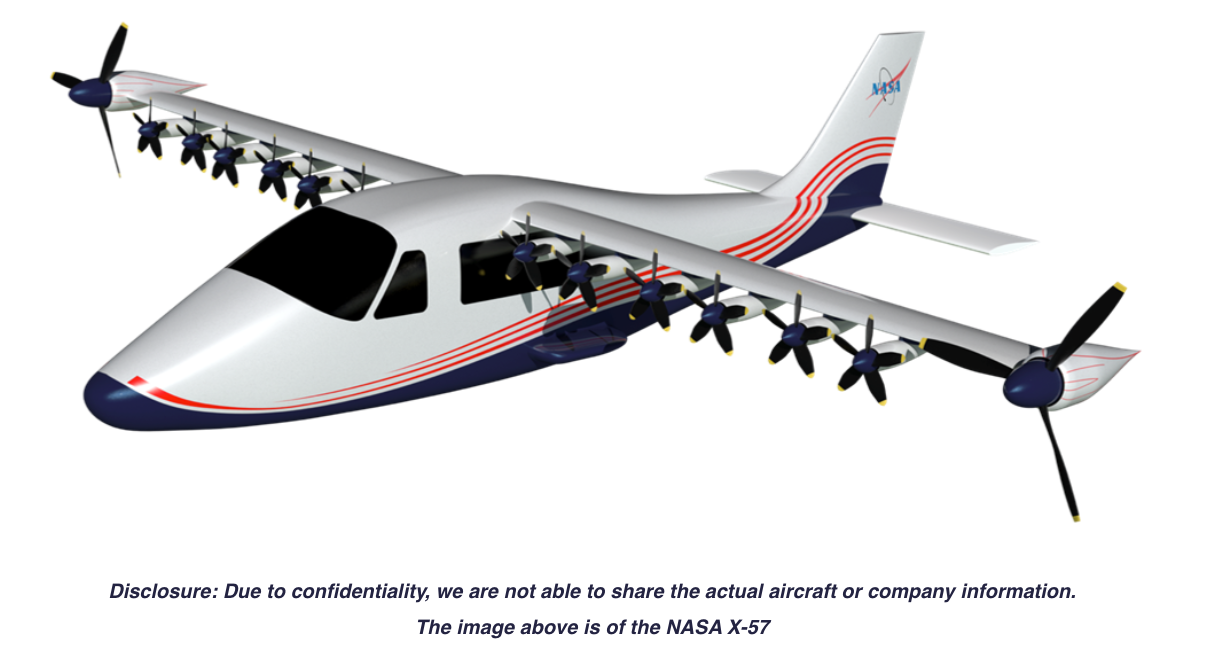
TotalSim US Unlocks DEP Potential: CFD Powers Next-Gen Electric Aircraft
Distributed Electric Propulsion (DEP) is transforming electric aircraft design — delivering blown-wing lift, redundancy, quieter operation, and superior efficiency. TotalSim US recently partnered with an innovative aircraft developer to optimize a DEP-equipped platform, solving complex aerodynamic-thermal challenges that traditional methods struggle to address.
The DEP Challenge
Multiple distributed motors and propellers create intricate wake interactions, differential thrust effects, and localized high-power thermal loads. Balancing performance across hover/transition and cruise while managing battery and motor heat is critical for range, safety, and certification.
TotalSim’s Multi-Physics Solution
Using Siemens Simcenter STAR-CCM+, we built high-fidelity overset simulations of propeller-wing interactions and coupled them with conjugate heat transfer modeling for distributed powertrain components. Automated optimization workflows rapidly explored propeller placement, nacelle shaping, cooling strategies, and aeroacoustic refinements.
Key Outcomes
- 15–18% boost in effective propulsive efficiency and lift-to-drag through optimized blown-wing effects •
- 20%+ lower peak temperatures in motors and batteries → better safety and longevity
- Cooling drag kept under 3%
- Over 40% reduction in physical testing needs, accelerating development timelines
These results give engineers high-confidence data to refine designs faster and de-risk certification.
Why DEP + TotalSim Matters:
DEP unlocks exciting capabilities in eVTOL, STOL, and regional electric aircraft. Our integrated CFD approach turns these complexities into competitive advantages — faster time-to-market, lower costs, and superior real-world performance. Ready to explore how DEP simulation can benefit your program? Book a meeting or reply to this note.

Highly Accurate, Affordable Simulations Via Self Service Web-Based Apps
Click here to learn about how Total Sim can create a CFD web application directly customized to your company's needs. This step by step explanation details how to begin this process and the benefits that come with creating a CFD web application.

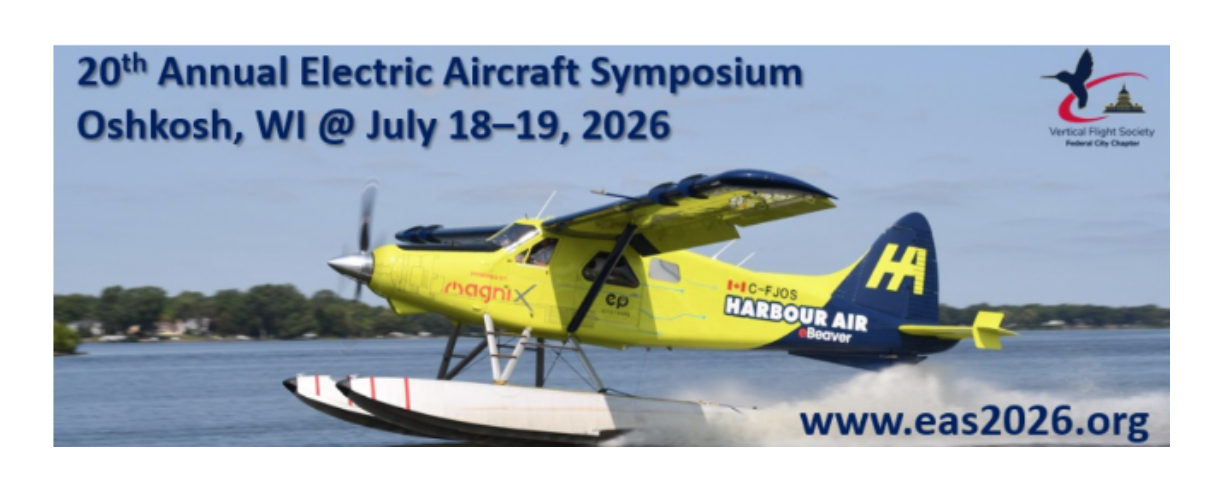
Vertical Flight Society Electric Aircraft Symposium (EAS)
We’re excited to share that we’ll be attending the Vertical Flight Society Electric Aircraft Symposium this July in Oshkosh, Wisconsin. Taking place July 18–19, EAS is the world’s longest-running conference dedicated to electric aviation and advanced air mobility (AAM), bringing together industry leaders, engineers, researchers, and innovators focused on the future of flight.
The event covers everything from eVTOL technology and battery advancements to certification challenges and next-generation aircraft development—making it a great opportunity to connect with others helping shape the rapidly evolving aerospace landscape.
More details to follow as we get closer to the event. If you’ll be attending, reach out— we’d love to connect while we’re there!
EAA AirVenture Oshkosh
Following EAS, we’ll also be making our way over to EAA AirVenture Oshkosh, one of the world’s largest and most iconic aviation gatherings. Hosted annually by the Experimental Aircraft Association, AirVenture brings together aviation enthusiasts, pilots, engineers, innovators, and aerospace companies from around the globe for a week packed with aircraft, technology, forums, and flight demonstrations.
As longtime aviation enthusiasts, it’s always an exciting event for our team to attend — and rumor has it Ray may even break out his plane again for the trip to Oshkosh this year.
If you’ll be at AirVenture, let us know—we’d love to say hello and talk all things aerospace, simulation, and innovation.


Before GPU-accelerated CFD became a mainstream conversation, Altair ultraFluidX was already helping engineers dramatically reduce simulation times for external aerodynamics. Purpose-built for automotive, motorsports, and transportation applications, ultraFluidX brought rapid design iteration and high-fidelity aerodynamic insights together in a way that helped reshape expectations for CFD turnaround times.
As we continue expanding our simulation offerings through the Siemens and Altair portfolio, we're taking a quick look back at one of the tools that helped push the industry forward. Read more about ultraFluidX and its impact on aerodynamic simulation.

And one more thing... Siemens Simcenter STAR-CCM+ 2606 Release – July 1, 2026
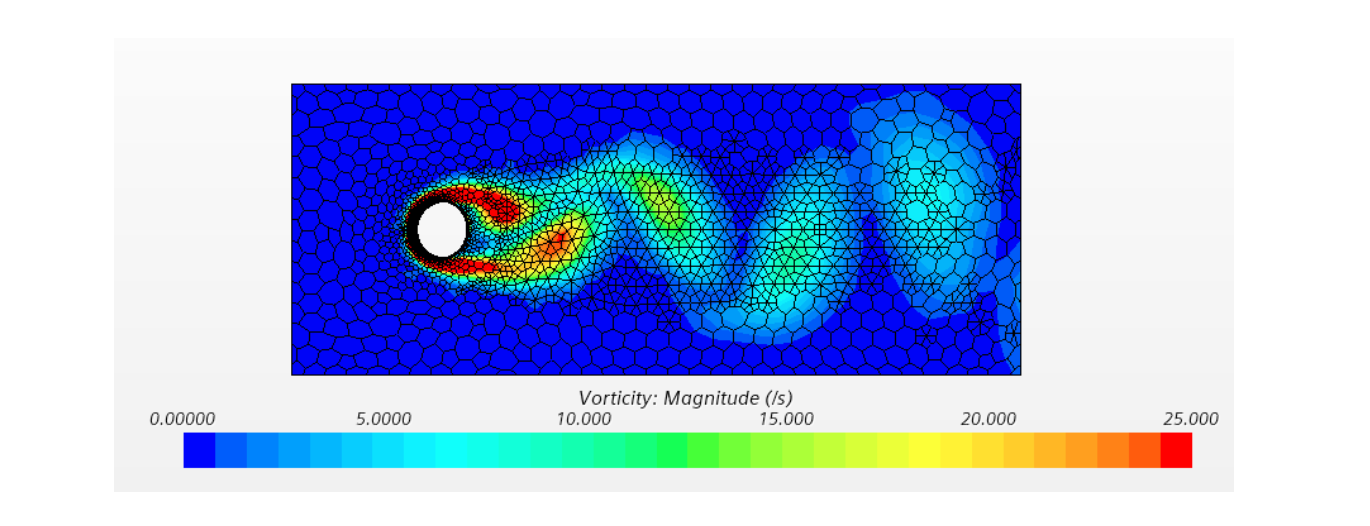
Siemens will release Simcenter STAR-CCM+ 2606 on July 1, 2026. This update modernizes the simulation workflow while continuing recent gains in speed and intelligence.
Highlights
- Modern Viewer Platform The classic STAR-CCM+ Viewer retires in favor of a downloadable Simcenter Viewer built on Web Viewer technology. Benefit from native large-file support, improved collaboration features, faster visualization, and a license-free experience.
- Legacy Coordinate System Removal Block-Mapped Coordinate Systems are discontinued. Migrate turbomachinery and legacy models to blade parametrization and current tools to maintain full compatibility and performance.
- Performance & Multiphysics Momentum Further GPU enhancements for complex flows and particles, refined meshing, and stronger multiphysics integration will help engineers tackle thermal management, aerodynamics, and battery simulations with greater efficiency.
These updates make STAR-CCM+ more accessible and powerful. Detailed release notes and webinars follow the launch. Start preparing your workflows today for a seamless upgrade.

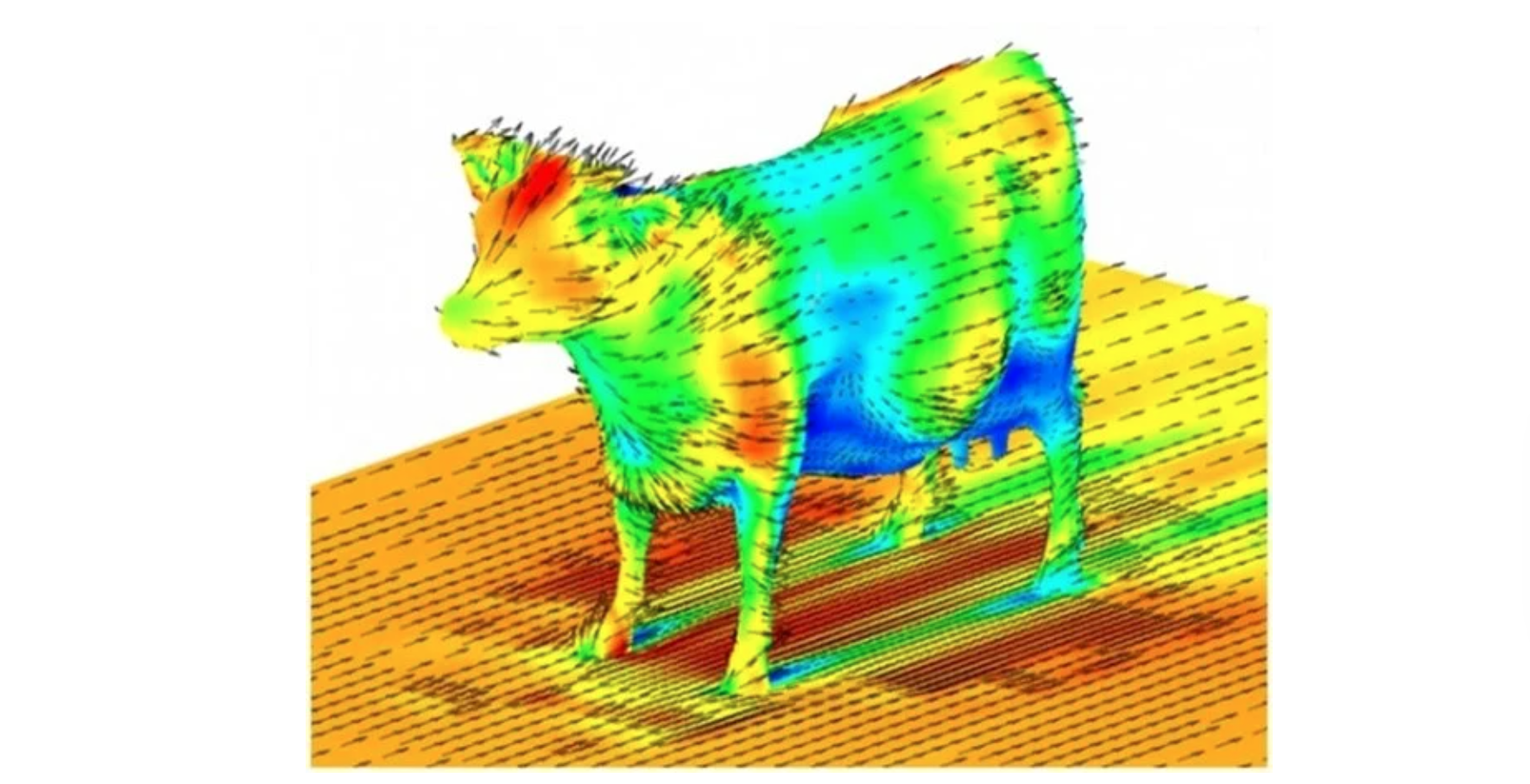
Aerodynamics of a Simcenter FLOEFD Cow: A Social Media Phenomenon
Click on the cow to learn more...