

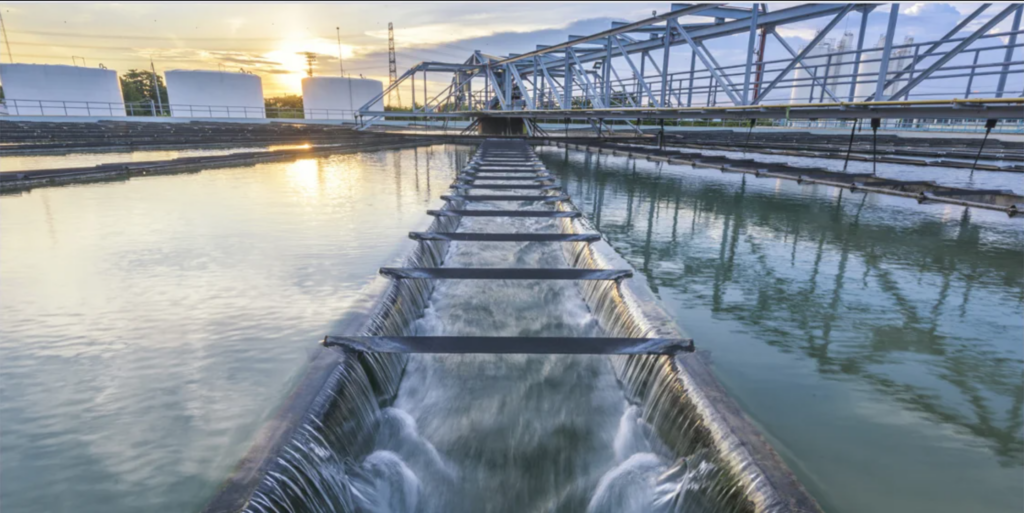
| As renewable energy technologies continue to evolve, one engineering discipline is quietly powering innovation beneath the surface: hydrodynamics. From tidal turbines and hydrokinetic river systems to wave-energy concepts and offshore infrastructure, understanding how water moves— and how systems interact with it—has become critical to the next generation of renewable energy development. And increasingly, that understanding begins in simulation. Computational fluid dynamics (CFD) and hydrodynamic modeling are helping engineers solve some of the most complex challenges in renewable energy, enabling faster development cycles, better performance, and more reliable systems long before equipment ever reaches the water. |
Why Hydrodynamics Matters
Water is an incredibly powerful energy source, but it’s also one of the most difficult to engineer around.
Unlike air, water is denser, more turbulent, and capable of placing enormous loads on structures and rotating equipment. Small design changes can dramatically affect efficiency, cavitation behavior, structural fatigue, and long-term durability.
That’s why hydrodynamics plays such a central role in renewable marine energy projects. Understanding flow behavior around blades, ducts, support structures, and submerged systems is essential for maximizing energy capture while minimizing operational risk.
Using CFD, engineers can visualize these flow patterns in detail—analyzing wake effects, pressure distribution, turbulence, and fluid-structure interaction in ways that would be difficult or costly to achieve through physical testing alone.
Simulation Beneath the Surface
Modern hydrodynamic simulation goes far beyond basic flow visualization.
Today’s engineering workflows combine CFD with:
- Fluid-structure interaction (FSI)
- High-performance computing (HPC)
- Optimization algorithms
- AI-assisted design exploration
- Digital twin technology
This allows engineers to evaluate how renewable energy systems will perform under real-world operating conditions, including changing currents, turbulent environments, and long-term cyclic loading.
Recent industry research has shown how CFD-driven optimization can significantly improve turbine efficiency through adjustments to blade geometry and duct design. Other studies are using coupled hydrodynamic and structural simulations to better predict fatigue life and maintenance requirements for tidal energy systems.
The result is a more connected and informed design process—where simulation actively shapes engineering decisions from the earliest concept stages onward.
From Hydrodynamics to Hydropower
One of the clearest outcomes of these advancements is the growing momentum behind hydropower and marine renewable energy systems.
Projects like tidal turbine arrays and river hydrokinetic installations are gaining attention because of one major advantage: predictability. Unlike solar and wind, water currents and tidal cycles are highly consistent, making them attractive for stable renewable energy generation.
As these systems scale, hydrodynamic simulation becomes even more important. Engineers must account for turbine interactions, wake management, structural loading, and environmental impact across entire arrays—not just individual devices.
CFD helps make that possible by allowing teams to rapidly evaluate multiple configurations virtually before moving into fabrication or deployment.
Faster Development, Lower Risk
Physical testing in marine environments is expensive, time-intensive, and difficult to repeat at scale. Simulation helps reduce that burden by enabling engineers to explore hundreds of design variations digitally.
This accelerated development cycle helps:
- Improve turbine efficiency
- Reduce maintenance concerns
- Optimize structural performance
- Lower development costs
- Bring renewable technologies to market faster
And as computing power continues to advance, the fidelity and accessibility of hydrodynamic simulation continues to improve alongside it.
Looking Ahead
Hydropower innovation is no longer just about generating energy — it’s about engineering smarter systems that can operate efficiently and reliably in some of the harshest environments on Earth.
Whether supporting tidal energy, wave-energy devices, offshore platforms, or hydrokinetic turbines, hydrodynamics is becoming a driving force behind the future of renewable energy development.
And increasingly, those breakthroughs are beginning not in the water — but in simulation