

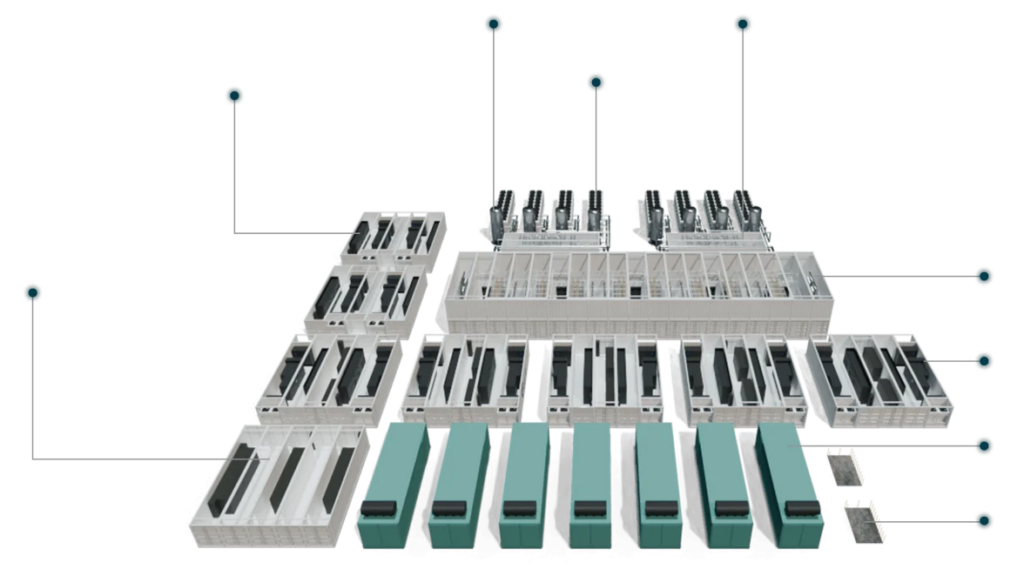
Shipping container data centers—prefabricated modular units that pack servers, storage, networking, cooling, and power systems into standard ISO steel containers—are transforming how organizations deploy IT infrastructure. Factory-built and pre-tested, these mobile solutions can go live in weeks or months rather than years, making them ideal for edge computing, disaster recovery, temporary capacity, and remote operations.
Key Benefits
The advantages are compelling. Rapid deployment stands out: pre-configured units arrive ready to connect to power and networking, slashing time-to-market dramatically—sometimes to as little as 90 days. Portability and flexibility allow easy transport to remote sites, disaster zones, mining operations, oil platforms, or temporary project locations.
Scalability is another major plus. Organizations can add capacity incrementally by deploying additional containers as demand grows, avoiding the over-provisioning common in traditional builds. Many designs emphasize energy efficiency with high-density configurations, hot-aisle containment, advanced cooling, and low Power Usage Effectiveness (PUE) ratings—often reaching 1.1–1.3 in optimized setups. This translates to lower operational costs and a reduced carbon footprint. Cost efficiency extends to construction savings, standardized components, and predictable procurement.
Durability is built-in: weatherproof, shock-resistant, and dustproof containers perform reliably in harsh environments. Leading providers include Schneider Electric, Dell Technologies, Hewlett Packard Enterprise (HPE), Microsoft (with modular Azure deployments), IBM, Delta, and others offering 20ft or 40ft solutions tailored for various power densities.
Real-World Use Cases
Common applications range from 5G edge networks and AI training at the edge to backup infrastructure and scientific research stations. Recent examples include AI startups deploying high-density GPU containers in desert conditions and telcos using them for low-latency edge computing.
Challenges to Consider
Despite the upsides, challenges exist. Space constraints make containers cramped for technicians, complicating maintenance and repairs. While individual units offer redundancy, larger setups may face single points of failure if not designed carefully. Physical security in remote or distributed locations can be harder to maintain than in centralized facilities, increasing vulnerability to tampering or environmental threats.
Integration complexity, specialized maintenance requirements, and potential limitations in concurrent maintainability are other hurdles. Upfront costs for high-end configurations can be significant, and managing a distributed fleet adds IT operational overhead. Cybersecurity, power reliability in off-grid scenarios, and compliance in varied regulatory environments also demand attention.
The Bottom Line
Containerized data centers deliver speed, agility, and efficiency in an AI-driven world hungry for compute. As the market grows rapidly, they’re not a universal replacement for traditional facilities but a powerful complement—especially for hybrid strategies balancing core data centers with edge and modular capacity. Organizations that plan thoughtfully around maintenance, security, and integration will reap the greatest rewards.